Introduce
Introduction:
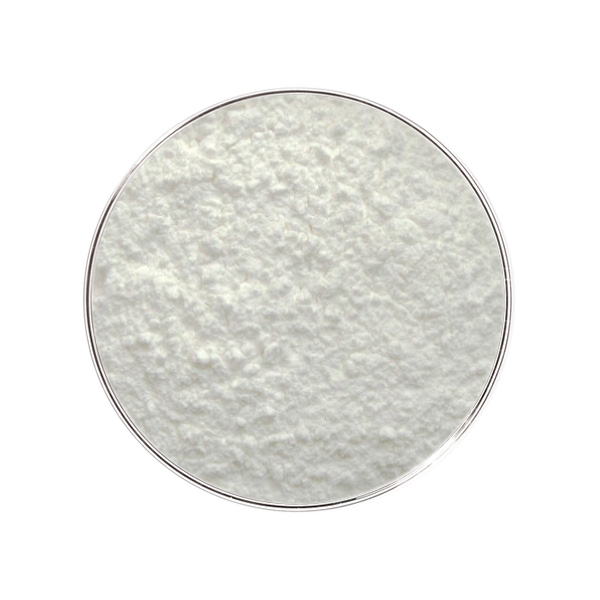
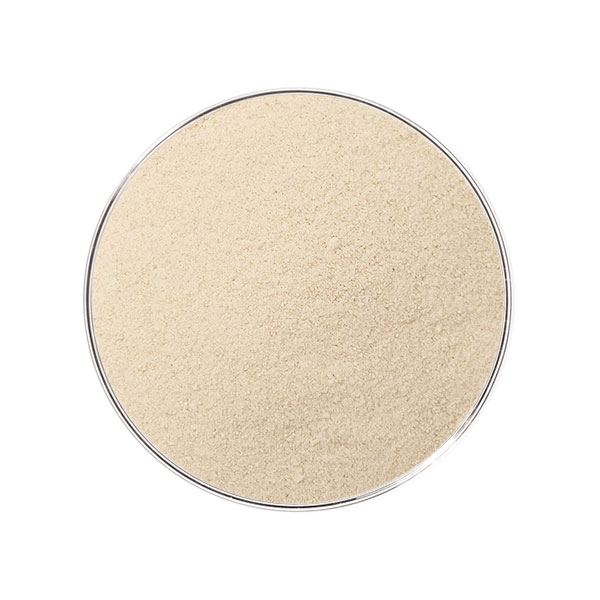
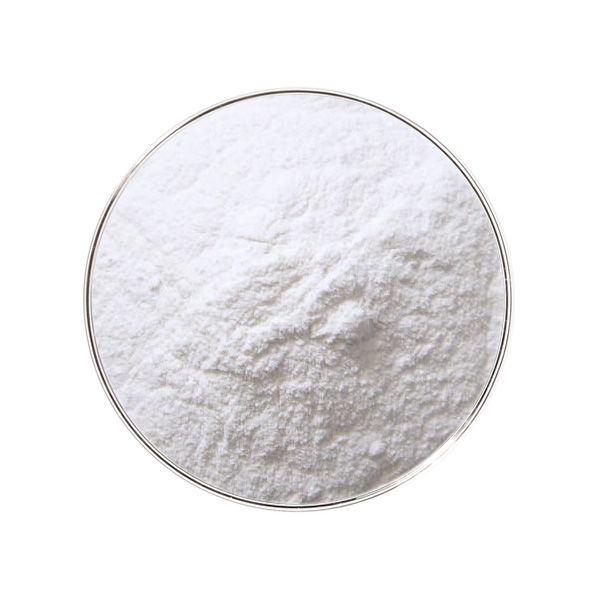
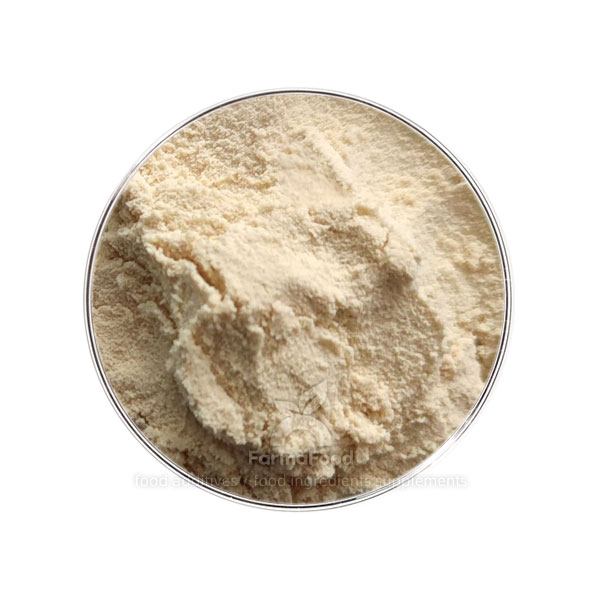
Soy Peptide is a bioactive small-molecule peptide obtained from soy protein isolate through enzymatic hydrolysis.
It provides a high-quality, plant-based protein source that includes all essential amino acids—similar to animal proteins but without cholesterol and with lower saturated fat.
Key Features & Functions
Complete Amino Acid Profile: Contains all the essential amino acids required by the human body, making it nutritionally comparable to animal protein.
Low Molecular Weight: Alfa Chemistry describes its soy peptide as having a molecular weight ≤ 1,000 Da, promoting better absorption and bioactivity.
Immunomodulatory Activity: It may enhance immune function, including natural killer cell activity and cytokine regulation.
Antioxidant Effect: Contains antioxidative peptides such as lunasin, which can scavenge free radicals and modulate inflammatory responses.
Hypocholesterolemic & Cardiovascular Benefits: Research shows soy peptides can help reduce cholesterol, suppress fat synthesis, and support cardiovascular health.
Metabolic and Anti-Disease Potential: They may exert beneficial effects on conditions like obesity, diabetes, and high blood lipid levels.
ACE-Inhibitory Action: Some soy peptides can inhibit angiotensin-converting enzyme (ACE), which may help in blood pressure regulation.
Anti-Cancer Effects: In vitro studies have shown that certain soy peptide fractions (5–10 kDa) can inhibit growth of colon, liver, and lung cancer cells.
Applications
Functional Foods & Beverages: Can be used in protein drinks, nutritional beverages, and health-promoting foods.
Health & Nutraceutical Products: Suitable for dietary supplements, medical nutrition, and wellness products targeting immune support, cardiovascular health, or metabolic balance.
Pharmaceutical / Bioactive Ingredient: Due to its bioactivity (ACE inhibitory, antioxidant, immunomodulation), it can be formulated in nutraceuticals or functional pharmaceutical-style supplements.